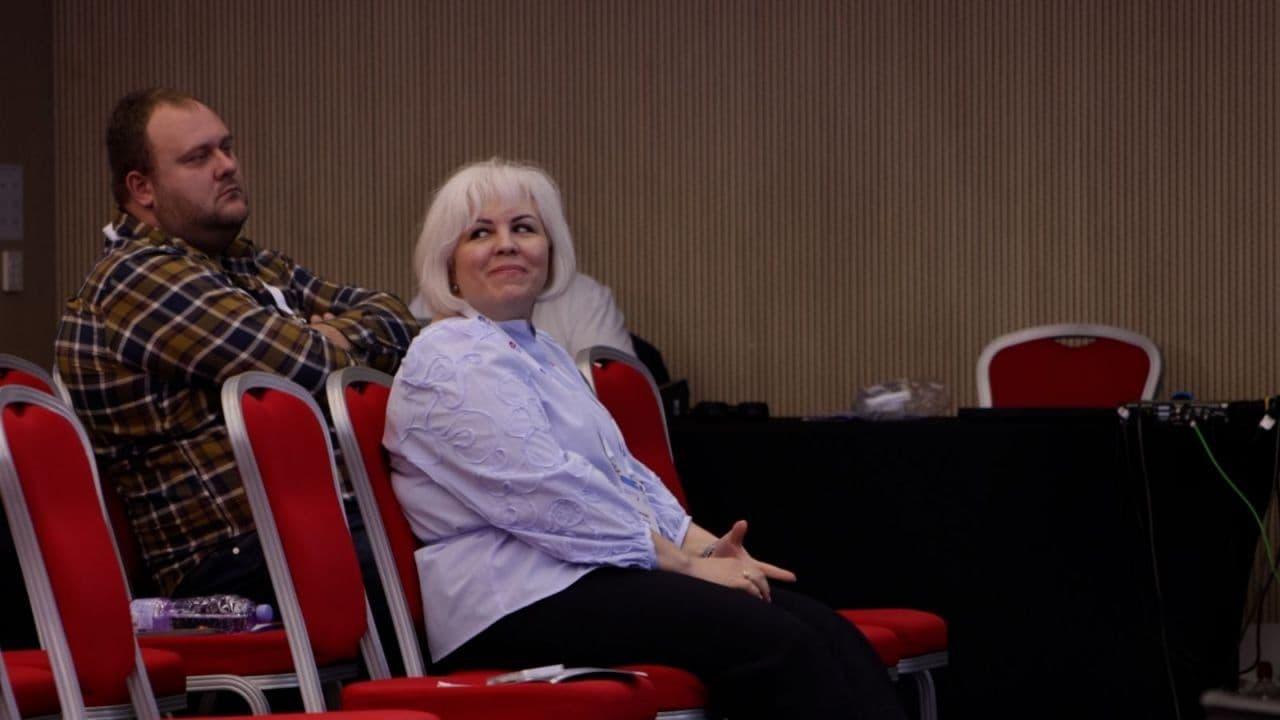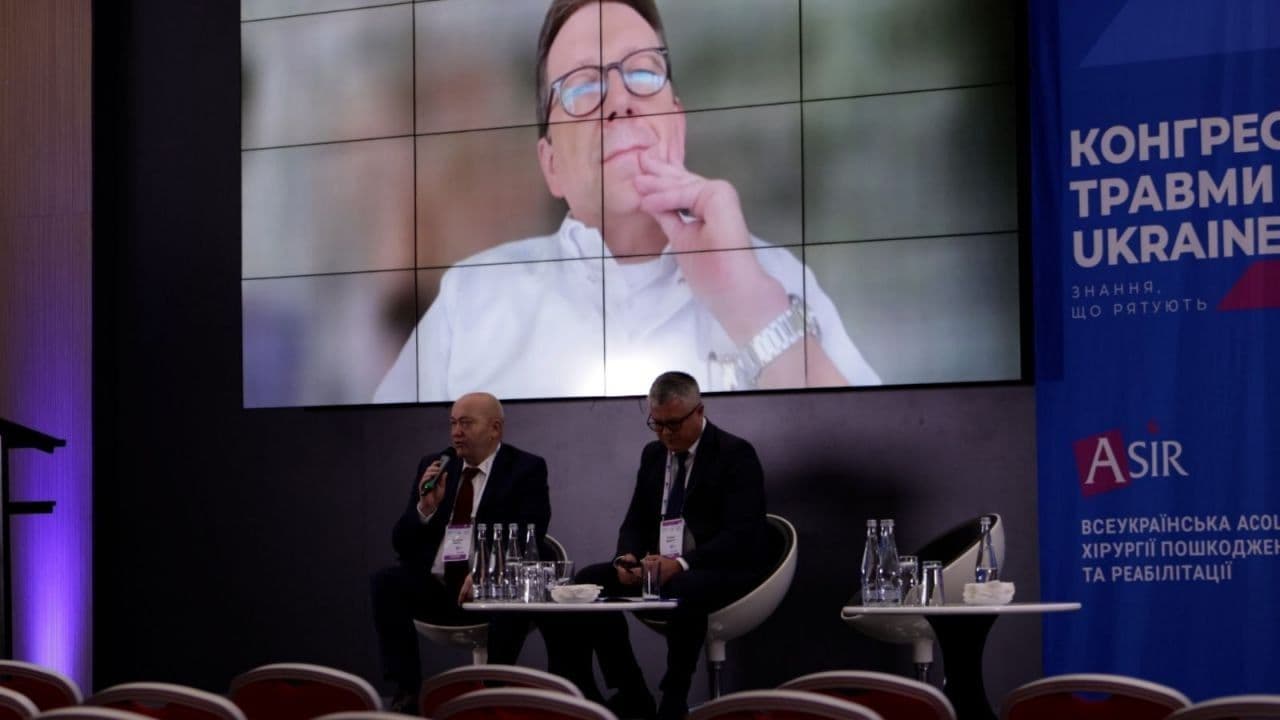
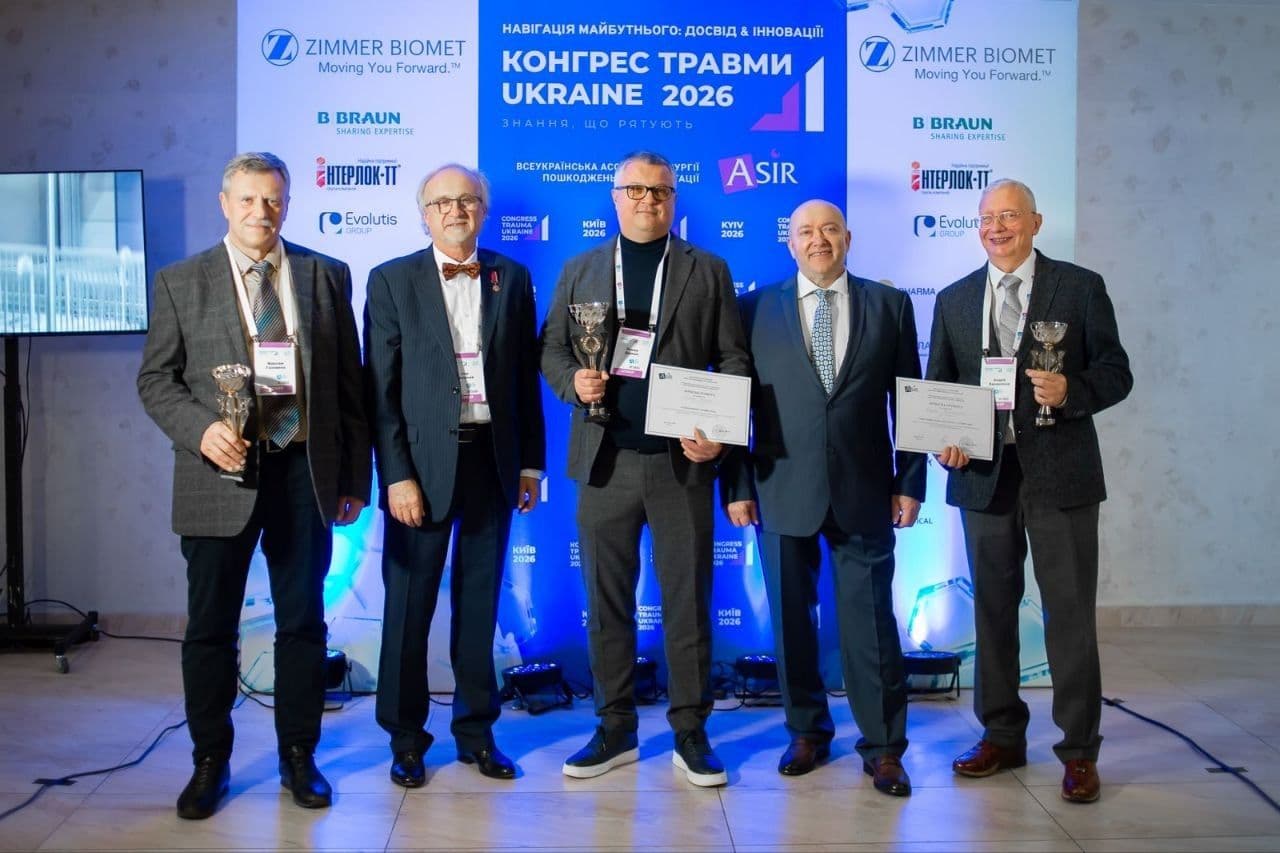
Will the patient be able to keep their arm? Will they be able to walk again? How do you restore a face after a severe wound and help a person cope with pain that doesn't go away for months? Behind each of these questions lie complex, fascinating and sometimes unconventional medical decisions. These were the questions at the heart of "Trauma Congress Ukraine 2026", held in Kyiv.
Ukrainian and international specialists shared experience in treating combat injuries, complex fractures, burns, and the restoration of damaged tissues and joints.
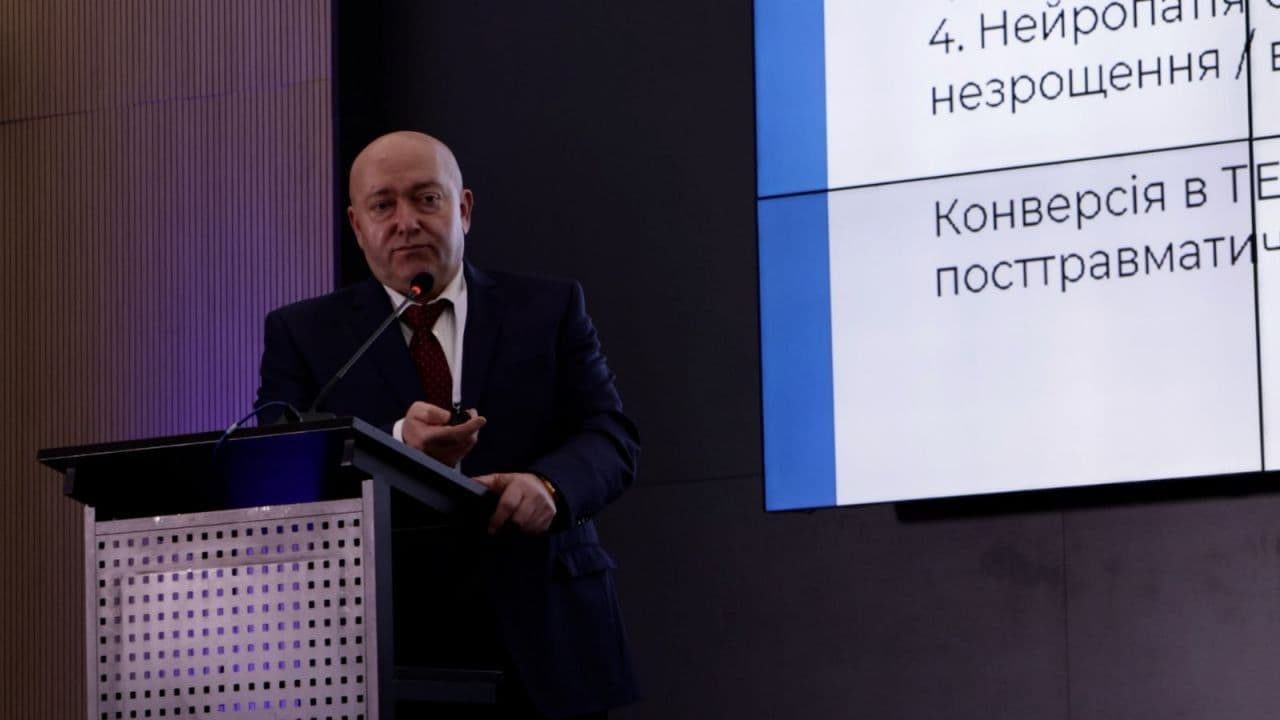
The congress was organized by the All-Ukrainian Association of Injury Surgery and Rehabilitation, headed by Professor Mykola Ankin, acting director of the Kyiv Emergency Hospital. The program included his presentation on complex combined fractures of the hip joint area, where treatment determines whether a person will be able to confidently stand on their feet again.
One of the congress's cross-cutting themes was how specialists working together can save lives and limbs. When bones, nerves, blood vessels and soft tissue are damaged at the same time, a coordinated decision from an entire team is required. That is why, alongside traumatology, the program also covered plastic and reconstructive surgery, pain management, rehabilitation and infection control.
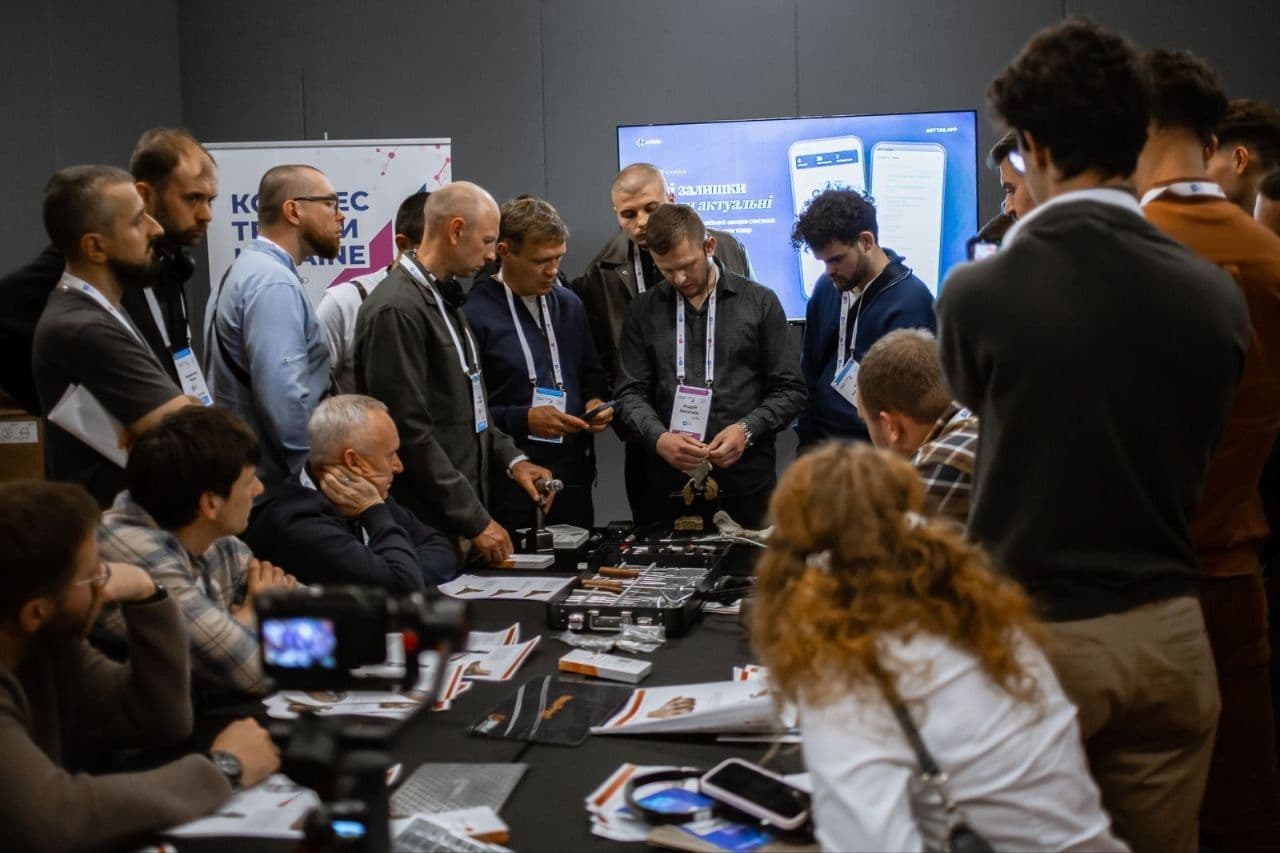
Particular attention was paid to facial reconstruction after injury, where every millimeter matters and the work demands extraordinary precision. Anyone could experience this firsthand at a suturing master class: under a microscope, participants learned to sew with thread as thin as a hair. Behind this painstaking work lies the chance to give someone back the ability to eat, speak and recognize themselves in the mirror again.
A separate discussion focused on situations well known to Ukrainian hospitals: mass casualty influx. How do you organize care when there are many wounded who all need help at once? These and other questions were discussed in great detail.
An important place was given to nursing: work in the operating room, infection prevention, coping with hospital overload and supporting veterans. After all, the outcome of a complex operation also depends on how daily post-operative care is organized.
Exhibition stands showcased new endoprostheses and implants, modern surgical instruments and new medications. Physicians could examine them, discuss specifics of their use and assess the possibilities for treating their patients.
Photo gallery