We take thousands of breaths a day without even noticing. But for a person in intensive care, being able to breathe again without the help of a ventilator can become one of the most important victories on the road to recovery.
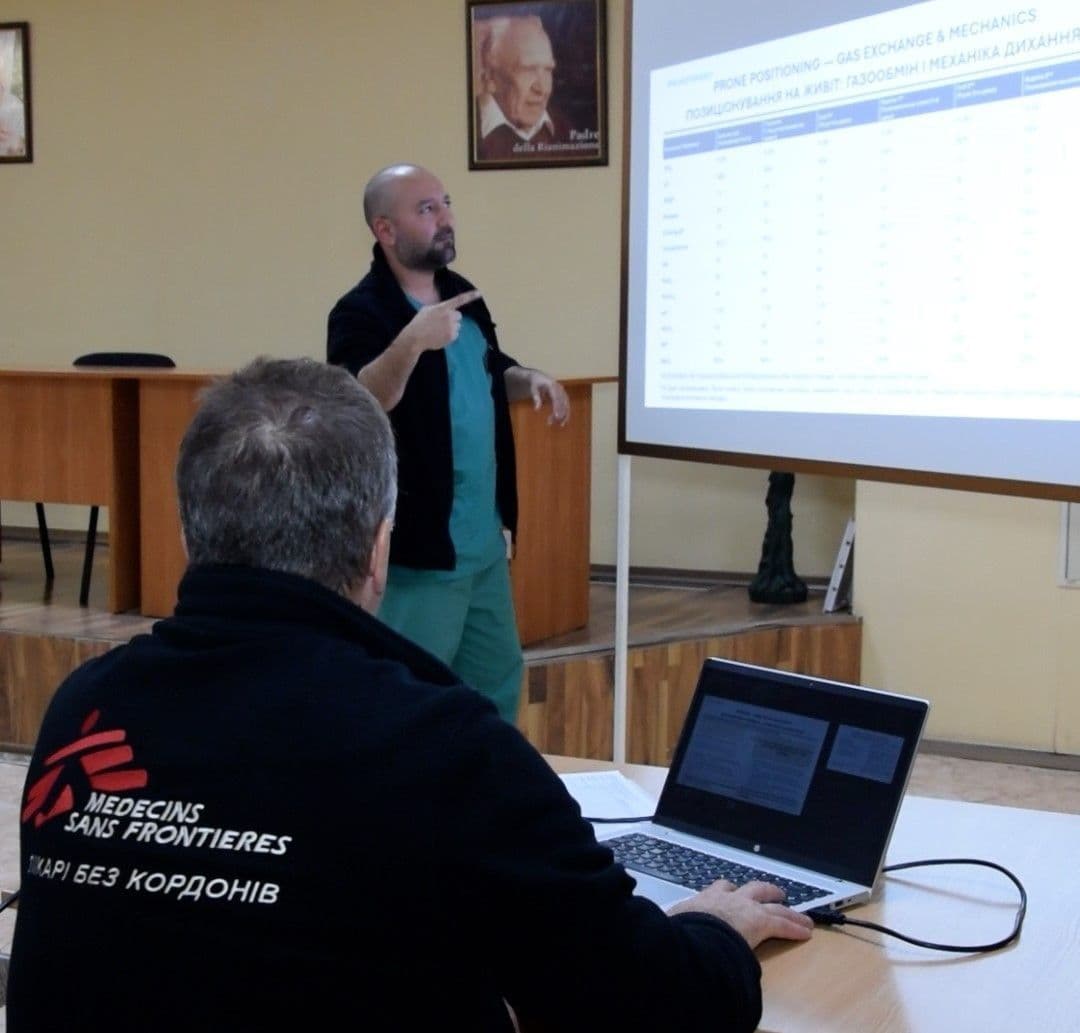
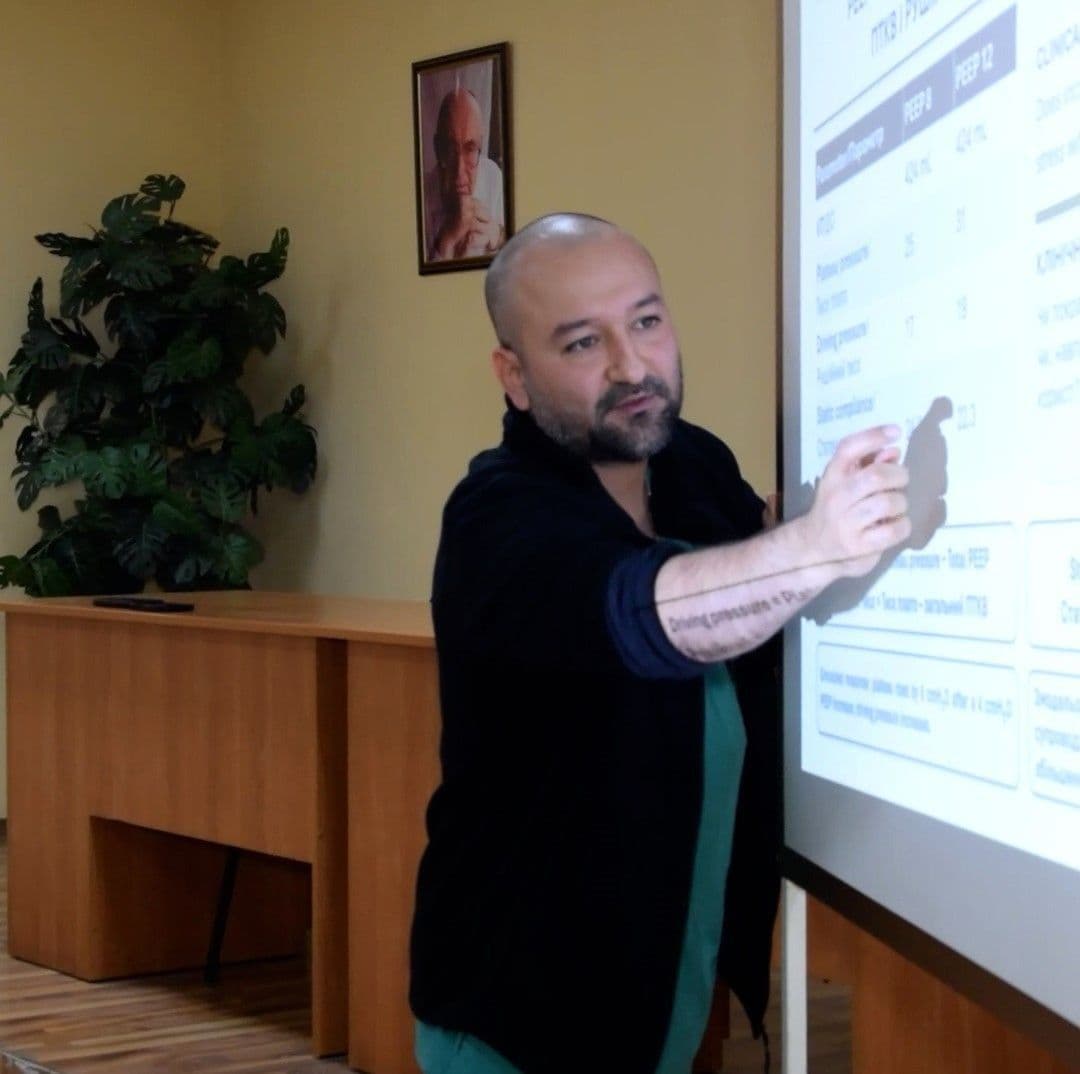
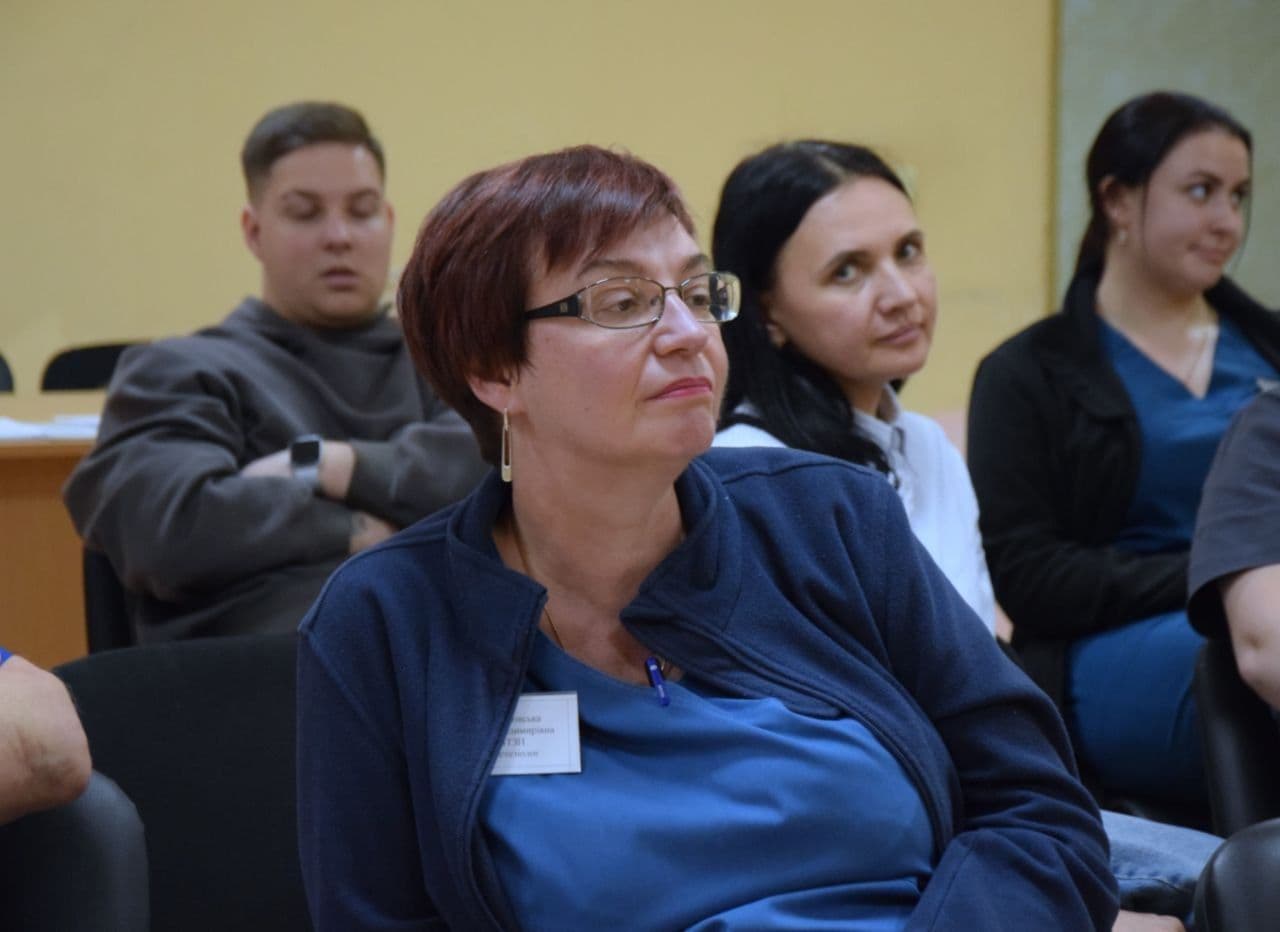
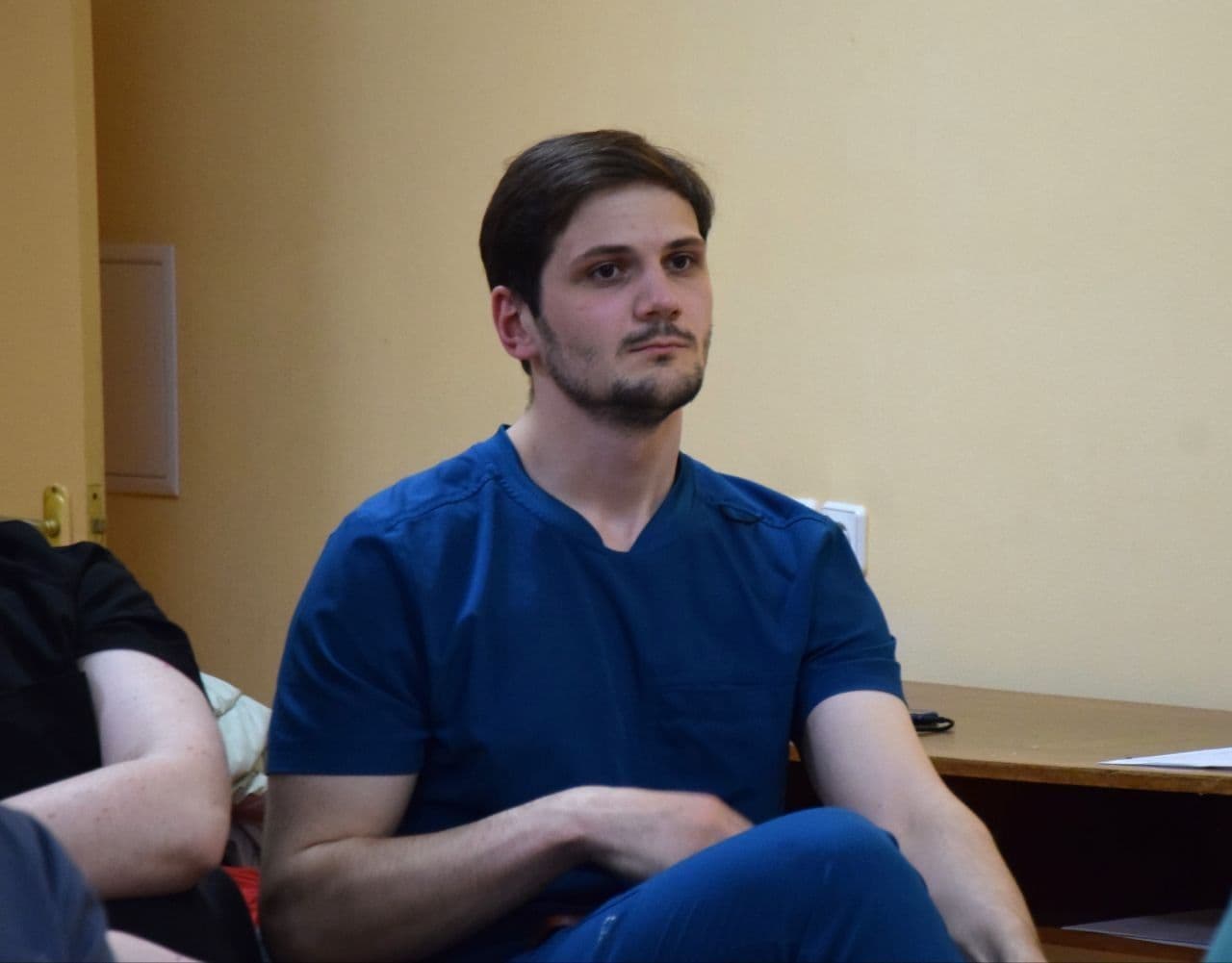
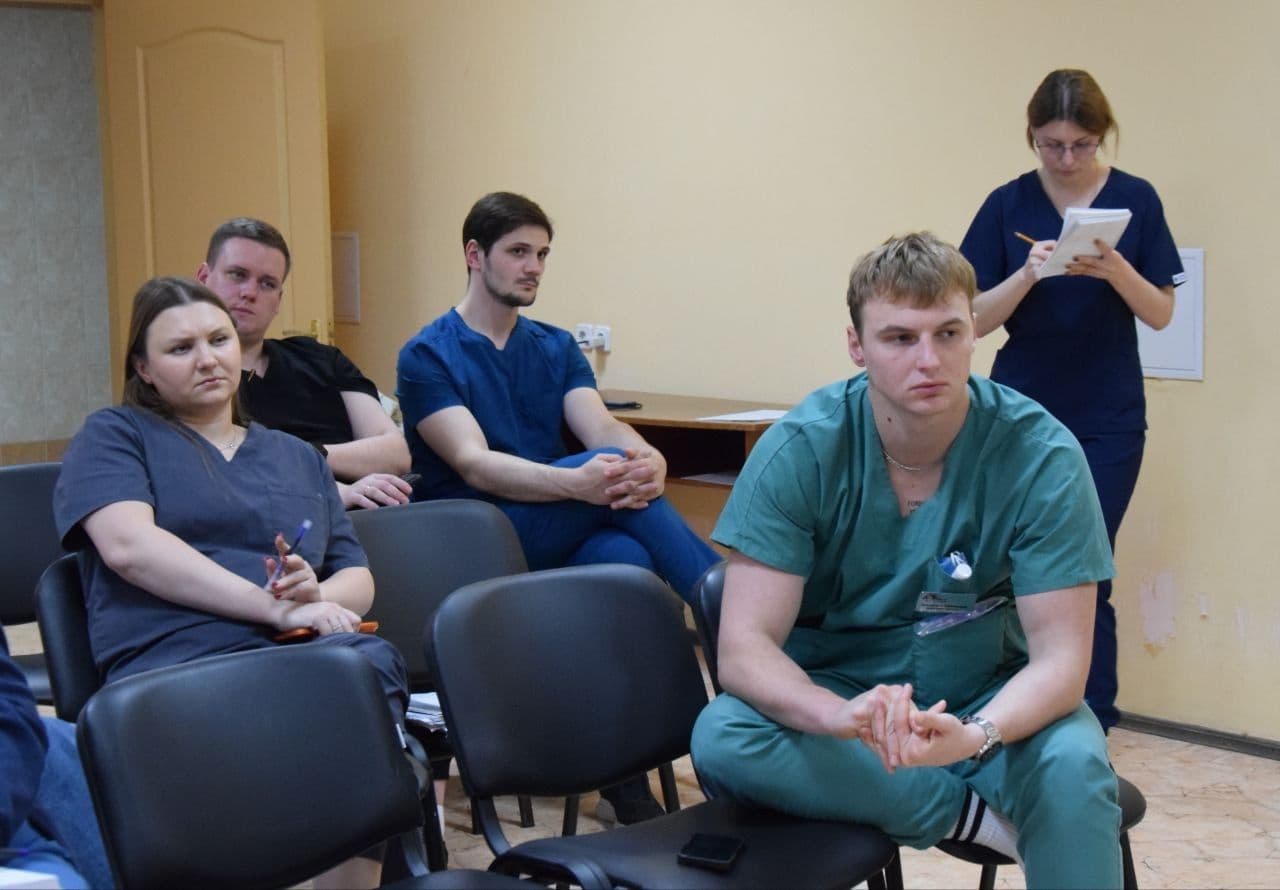
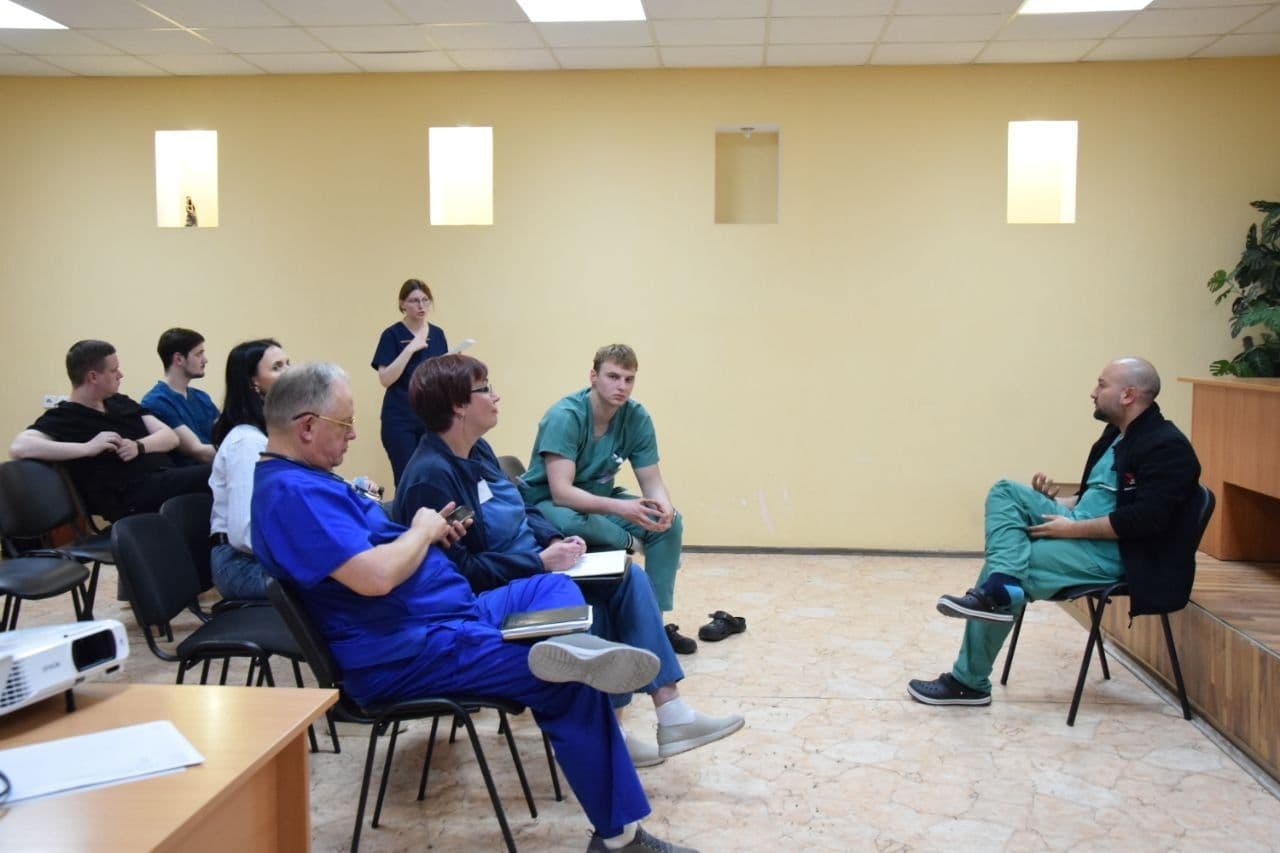
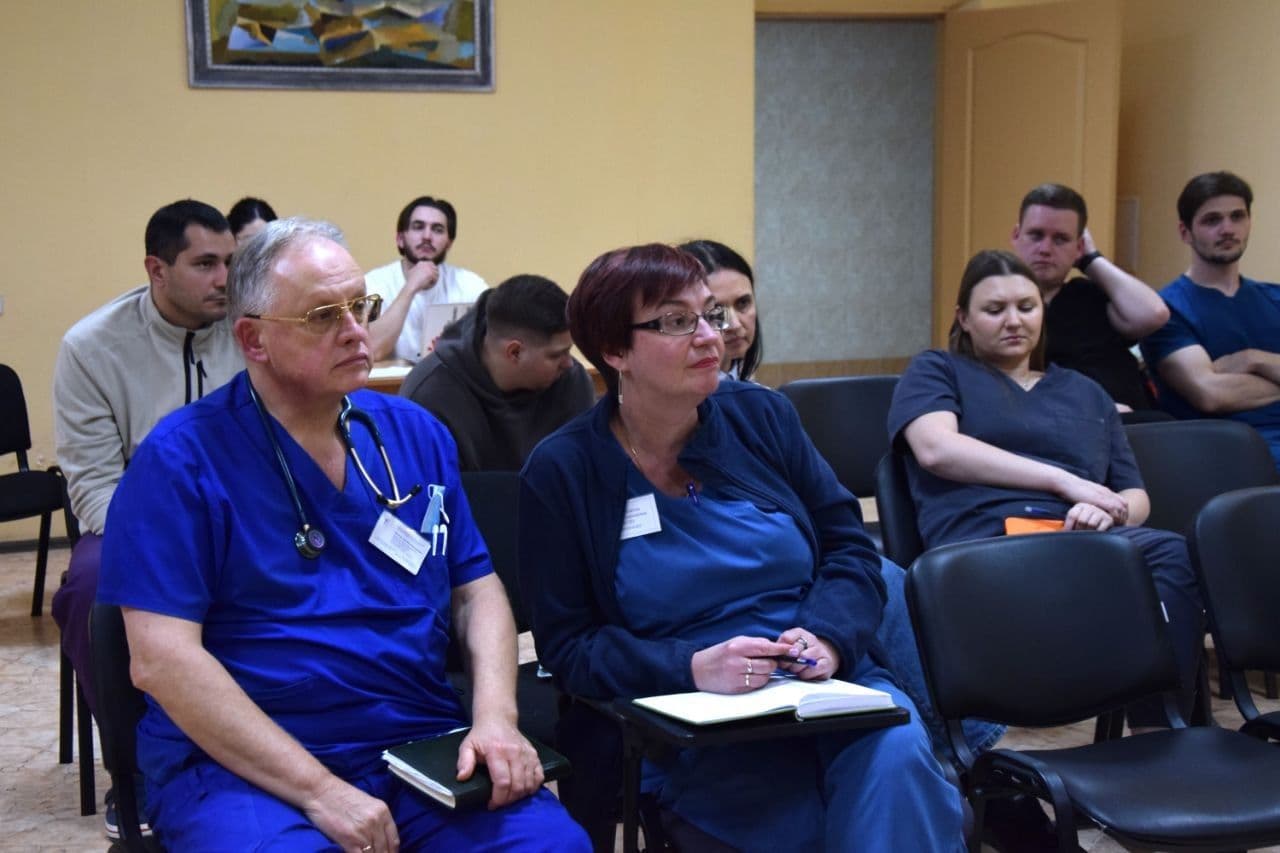
How can we help a patient go down this road? This was the subject of a lecture for intensive care doctors of the Kyiv City Clinical Emergency Hospital, organized together with the international humanitarian organization "Doctors Without Borders".
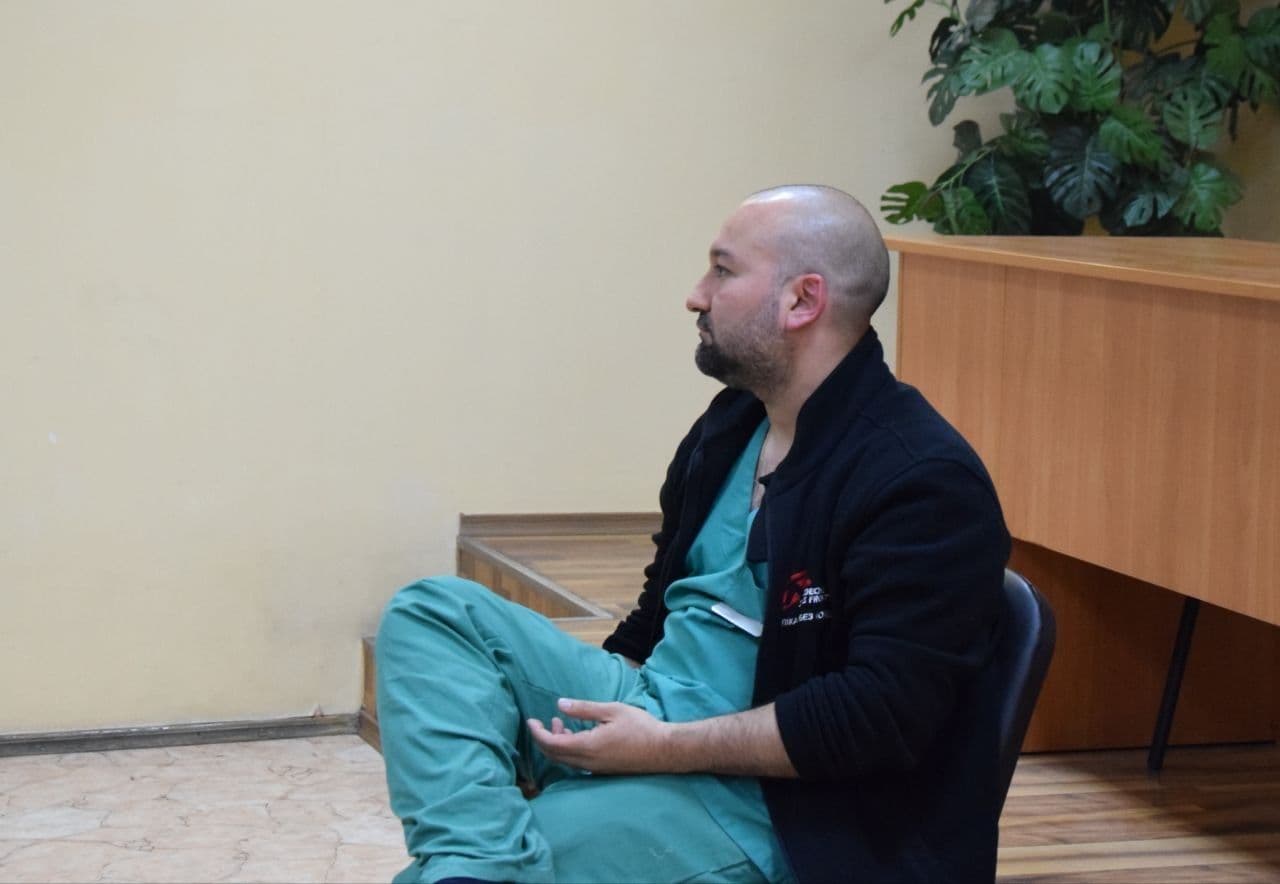
Jason Perez, Physical Therapy Manager at "Doctors Without Borders", shared his experience. He comes from Colombia, where he gained ten years of experience in acute rehabilitation. He has worked in Ukraine since December 2024: he delivers training for medical staff and helps patients as part of the organization's medical team.
"We are trying to pass on our knowledge to specialists in this field right now, because acute rehabilitation is needed more than ever," Jason explains.
Using a training clinical case, the participants went through the sequence of care: from supporting and protecting damaged lungs to a gradual transition to spontaneous breathing. Special attention was given to early rehabilitation and restoring the patient's motor activity.
The practical care algorithm was developed very recently, in Ukraine. According to the lecturer, it was created only four weeks before the meeting at the Emergency Hospital, with the participation of Canadian anesthesiologist James Lee, an expert of "Doctors Without Borders". The algorithm for daily work in intensive care combines respiratory support, preparation for weaning from the ventilator, and early rehabilitation.
Behind the complex medical terms is a very clear goal: for a person to be able to take the next breath on their own.
As Acting Director General of the Emergency Hospital Mykola Ankin explains, after severe injuries or acute illnesses patients may need prolonged mechanical ventilation. Doctors have to overcome severe breathing disorders, treat pneumonia, and prevent complications. That is why recovery is taken care of already in intensive care.
"We are actively introducing methods that make it possible to start working with patients in intensive care immediately after an injury or acute illness," says Mykola Ankin.
In Ukraine, Jason is most impressed by people's resilience and unity. At the meeting he warmly thanked his colleagues at the Emergency Hospital for their openness, the opportunity to share experience, and their willingness to find time for training despite a huge workload. He singled out the work of the intensive care team in particular: they perform incredible miracles here.
Photo gallery